Industry 5.0 and Physical AI

Industrial automation is entering a new era. With the rise of Industry 5.0 and Physical AI, machines no longer just execute tasks – they adapt, learn, and collaborate with humans. But what does this mean in practice for manufacturers and machine builders? In this article, we explore the key changes and how to prepare for the next level of automation.

Vecsés
07/04/2026
7 min
BIBUS_2
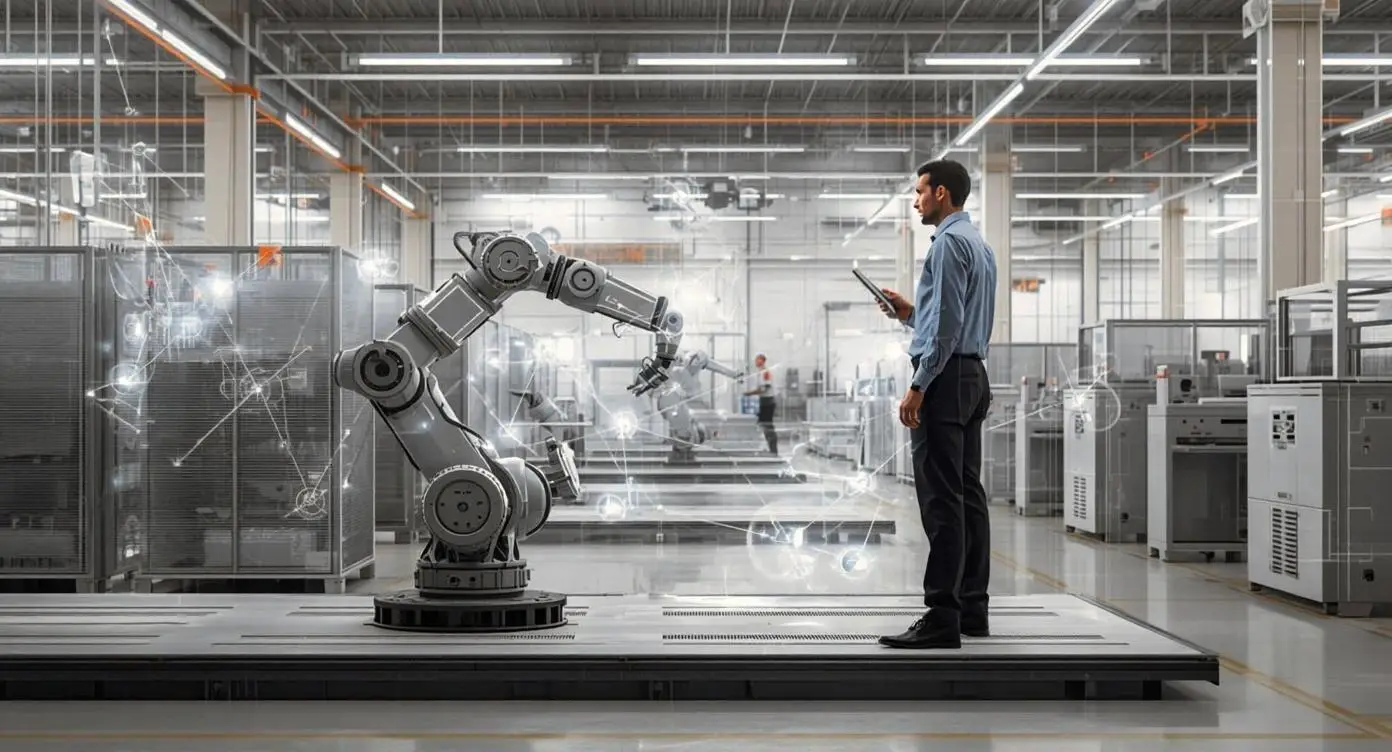
Human–robot collaboration in an Industry 5.0 environment – a new era of industrial automation.

How is the role of industrial automation evolving?

For many years, industrial automation has been primarily about efficiency, speed, and cost optimization. In the era of Industry 4.0, the focus shifted to digitalization, data-driven decision-making, and interconnected systems.

Today, however, a new perspective is emerging: Industry 5.0, where automation is no longer an end in itself, but creates value in collaboration with humans, in a flexible and sustainable way.

At the same time, the concept of Physical AI is gaining increasing attention. It refers to the integration of artificial intelligence into physical systems – machines, robots, drives, and sensors. Together, these concepts are fundamentally reshaping the role of industrial automation.

MORE REALISTIC
Physical AI in industry – real-time collaboration of sensors, drives, and data-driven systems.

Industry 4.0 → Industry 5.0: a shift in perspective

Industry 5.0 is not a replacement for Industry 4.0, but its evolution.
While Industry 4.0 focused on the digitalization and optimization of production processes, Industry 5.0 raises new questions:

  • How can automation become more human-centric?
  • How can production become more flexible and resilient?
  • How can long-term sustainability be ensured?

According to the European Commission, Industry 5.0 is built on three key pillars: human-centricity, resilience, and sustainability. This approach introduces new expectations for automation systems: they must not only be precise and efficient, but also adaptable to changing environments.

What does Physical AI mean in an industrial context?

Physical AI refers to artificial intelligence solutions that not only analyze data but also sense and influence real physical processes.

In industrial environments, this includes:

  • robotic systems that can respond to changes in their environment,
  • drive systems that optimize their operation based on load and condition,
  • sensors that not only provide data but also support decision-making.

The essence of Physical AI is that intelligence increasingly moves to the machine level, enabling real-time support for human–machine collaboration.

CONCEP~1
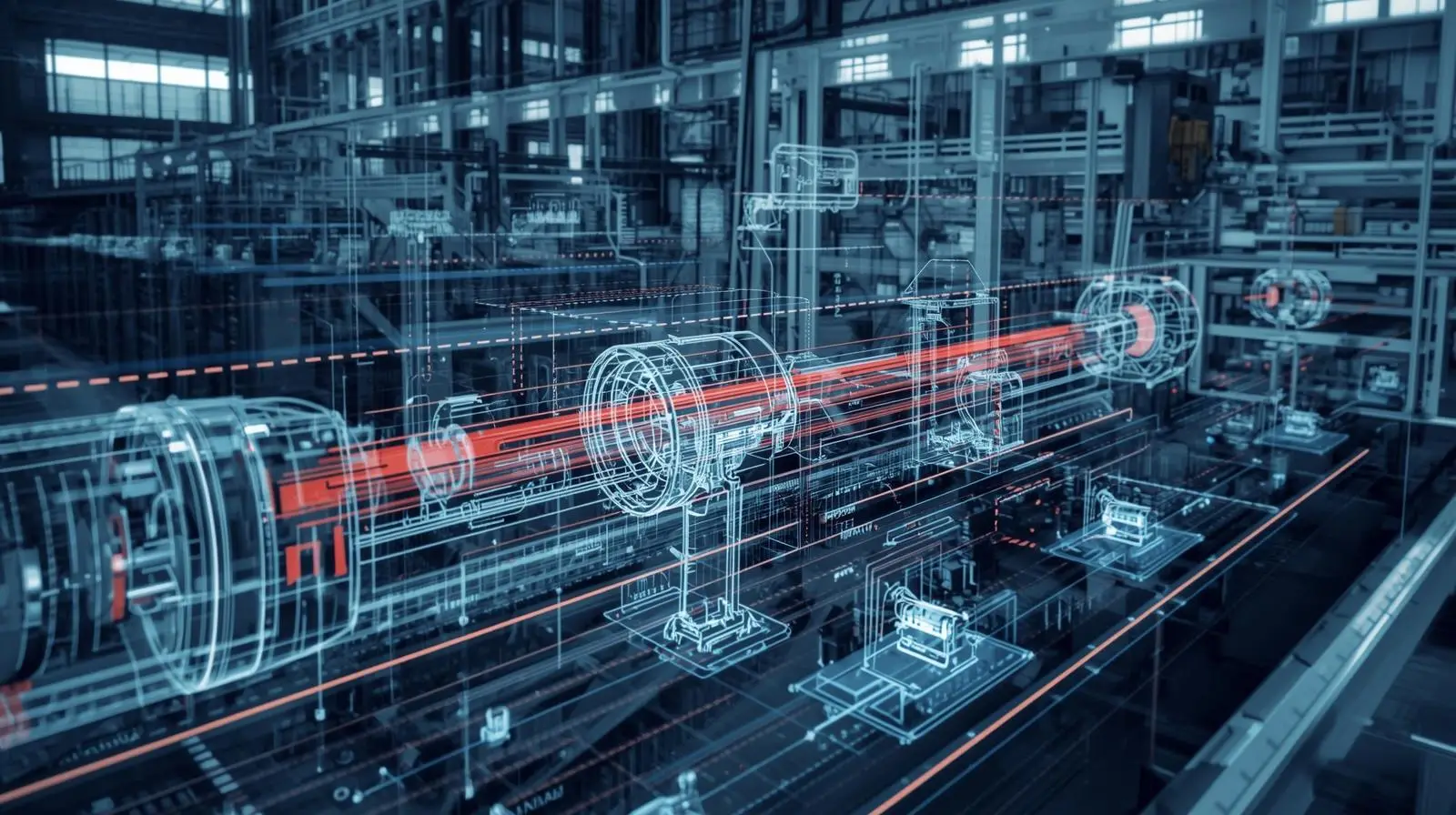
Intelligent drive system enabling linear motion in industrial automation, supported by advanced sensing, real-time data visualization, and digital modeling.

Robotics, sensing and drive technology in a new role

With the emergence of Industry 5.0 and Physical AI, the function of industrial subsystems is also evolving.

Robotics

Robots are no longer isolated automation units. Collaborative robots, mobile robots, and flexible robotic cells work alongside humans, adapting to the working environment and production needs.

Sensing as the foundation of Physical AI

Physical AI cannot exist without reliable and accurate sensor data. Modern industrial sensors act as the “sensory system” of automation, enabling adaptive control and intelligent operation.

The industrial sensors available in the BIBUS Kft. portfolio provide precise data on position, force, pressure, and system condition, forming the basis for intelligent and safe operation.

Intelligent drives for adaptive systems

In an Industry 5.0 environment, drive technology is no longer just an execution element. Intelligent drives contribute to flexible and sustainable operation through real-time feedback, energy optimization, and dynamic control.

The intelligent drive solutions offered by BIBUS Kft. enable systems to adapt to actual operating conditions rather than relying on fixed parameters.
Sensor technology solutions from BIBUS Kft.:

Sensor Technology
HIGH-L~1
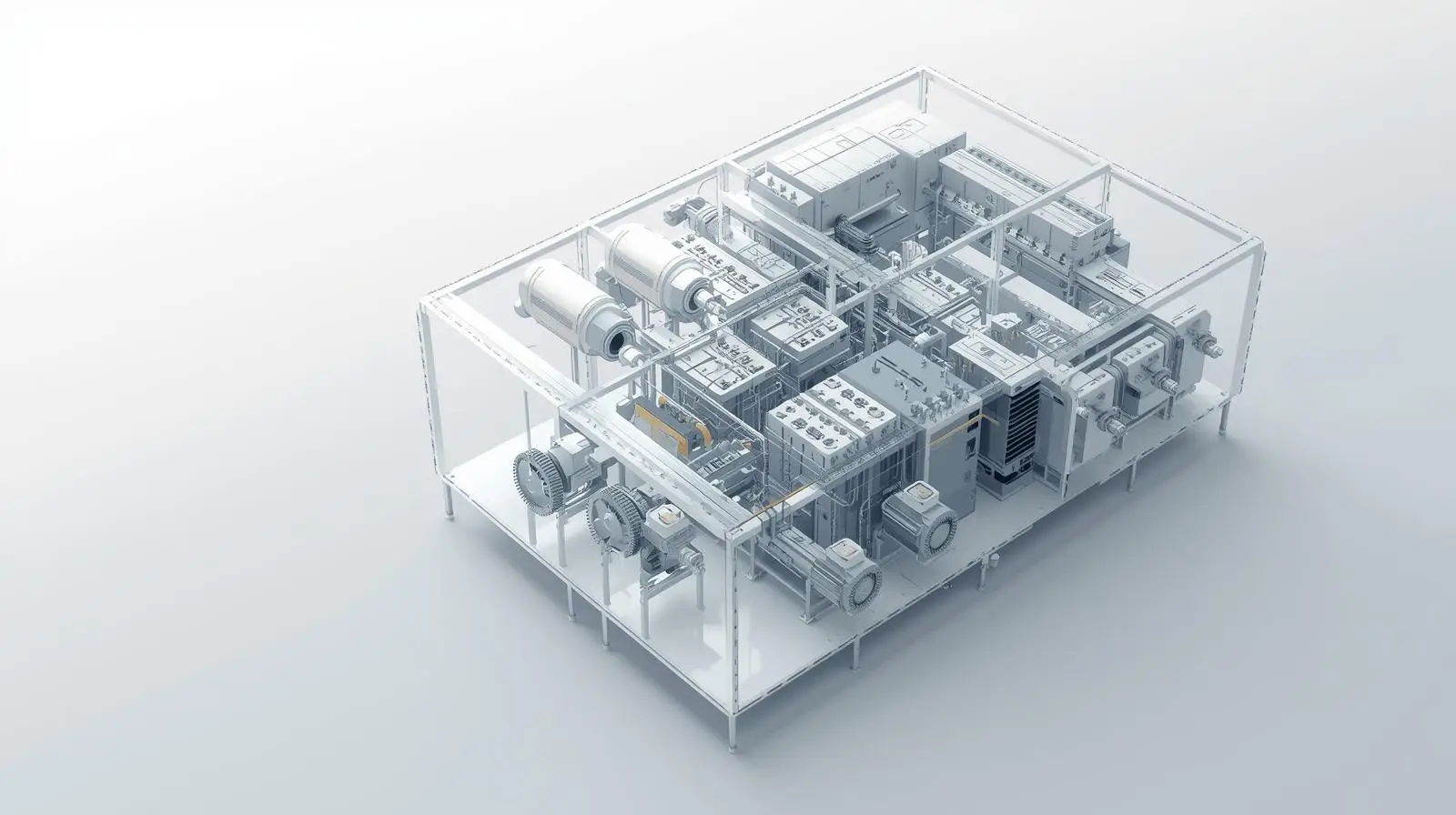
An integrated mechatronic system where drive technology, sensing, and control operate together as a unified, modular industrial solution.

Mechatronic and system solutions with an Industry 5.0 mindset

One of the key messages of Industry 5.0 is system-level thinking. Instead of standalone components, integrated mechatronic solutions are required that simultaneously ensure performance, safety, and long-term scalability.

Custom system solutions from BIBUS Kft. make it possible to combine drives, sensors, and control elements into a unified concept, supporting human–machine collaboration and adaptive automation.

Engineering support from design to implementation:

Solutions

What does this mean for manufacturers and machine builders?

The shift is not only technological, but also conceptual.

For machine builders, the following are becoming increasingly important:

  • modularity and scalability,
  • integrated mechatronic design,
  • considering future expandability already in the design phase.

For manufacturers:

  • flexible production,
  • safe and efficient human–machine collaboration,
  • energy and resource efficiency are becoming key factors.

In this environment, automation solutions will be truly competitive if they not only meet current needs but are also adaptable for future development.

Connection to the BIBUS approach

The approach of BIBUS Kft. closely aligns with the logic of Industry 5.0:
• intelligent drives and motion systems,
• advanced industrial sensing,
• complex mechatronic and system solutions,
• long-term technological thinking.

The future of industrial automation is not about individual components, but about system-level integration and collaboration – exactly where BIBUS delivers added value.

Industry 5.0 in practice

Industry 5.0 and Physical AI do not offer ready-made solutions, but a new way of thinking about industrial automation.

If you would like to explore what these trends mean for your machine, system, or development strategy, the experts at BIBUS Kft. are ready to support you.

Get in touch with us and let’s think together in long-term automation solutions.

Contact us

Kapcsolódó cikkek

BIBUS_4
BIBUS_1
BIBUS_3
PCED4