Industrial automation is no longer about implementing individual technologies, but about how these technologies fit together into a cohesive, future-proof system. The parallel evolution of artificial intelligence, IIoT, digital twins, and robotics is fundamentally reshaping manufacturing environments.
Magyarország
23/03/2026
6 min
In this article, we review the automation trends that, looking toward 2026, not only indicate technological directions but also define concrete preparation steps for industrial players.
Technologies Worth Preparing for Now
In recent years, industrial automation has not just evolved—it has undergone a shift in mindset. The focus is moving away from individual components and toward interconnected, data-driven, and sustainable systems.
By 2026, companies that start preparing now for emerging technologies will gain a significant advantage, as these solutions will soon become industry standards.
The following trends are not isolated technological directions but closely interconnected building blocks of future industrial systems.
AI and Data-Driven Manufacturing
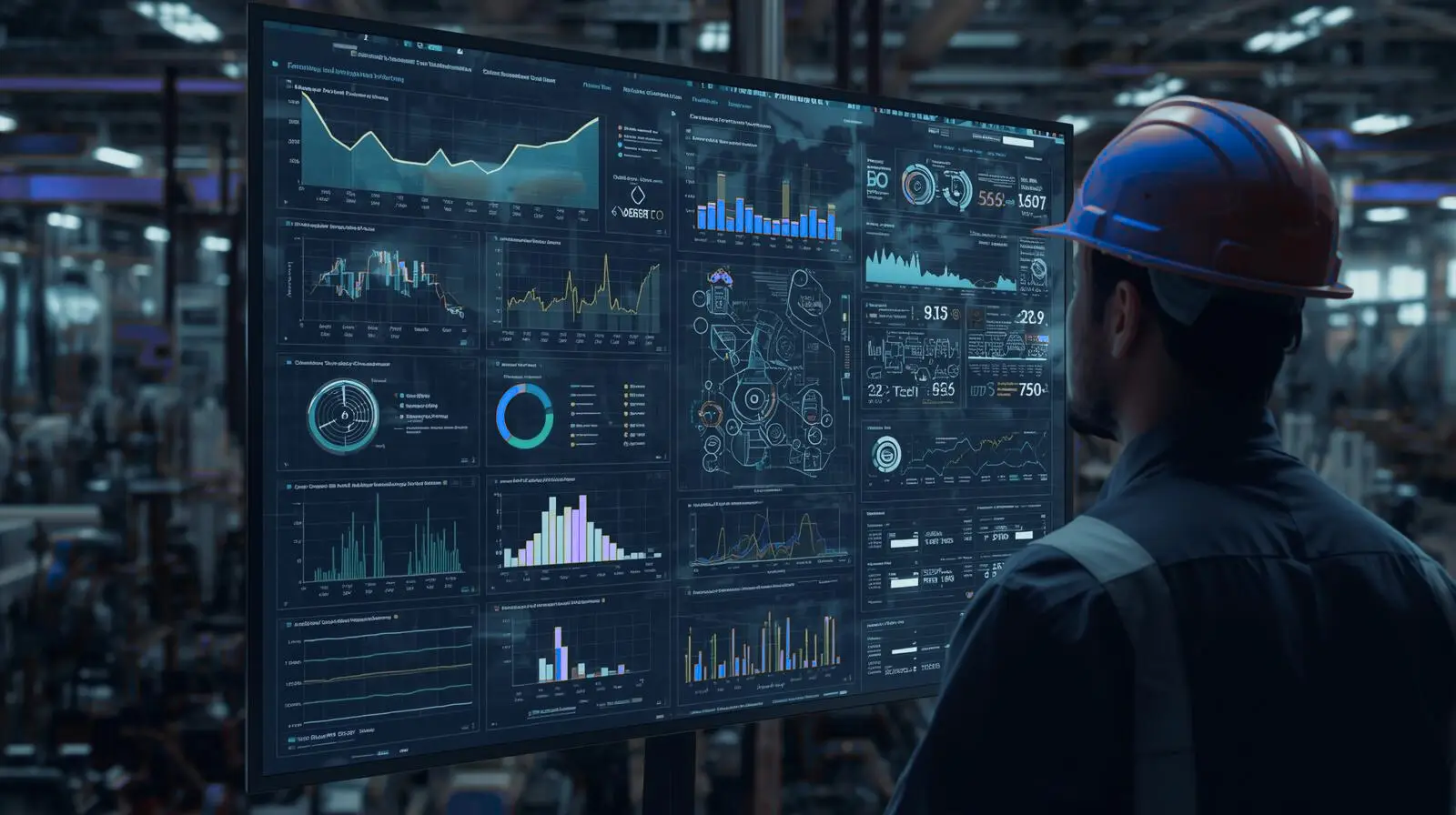
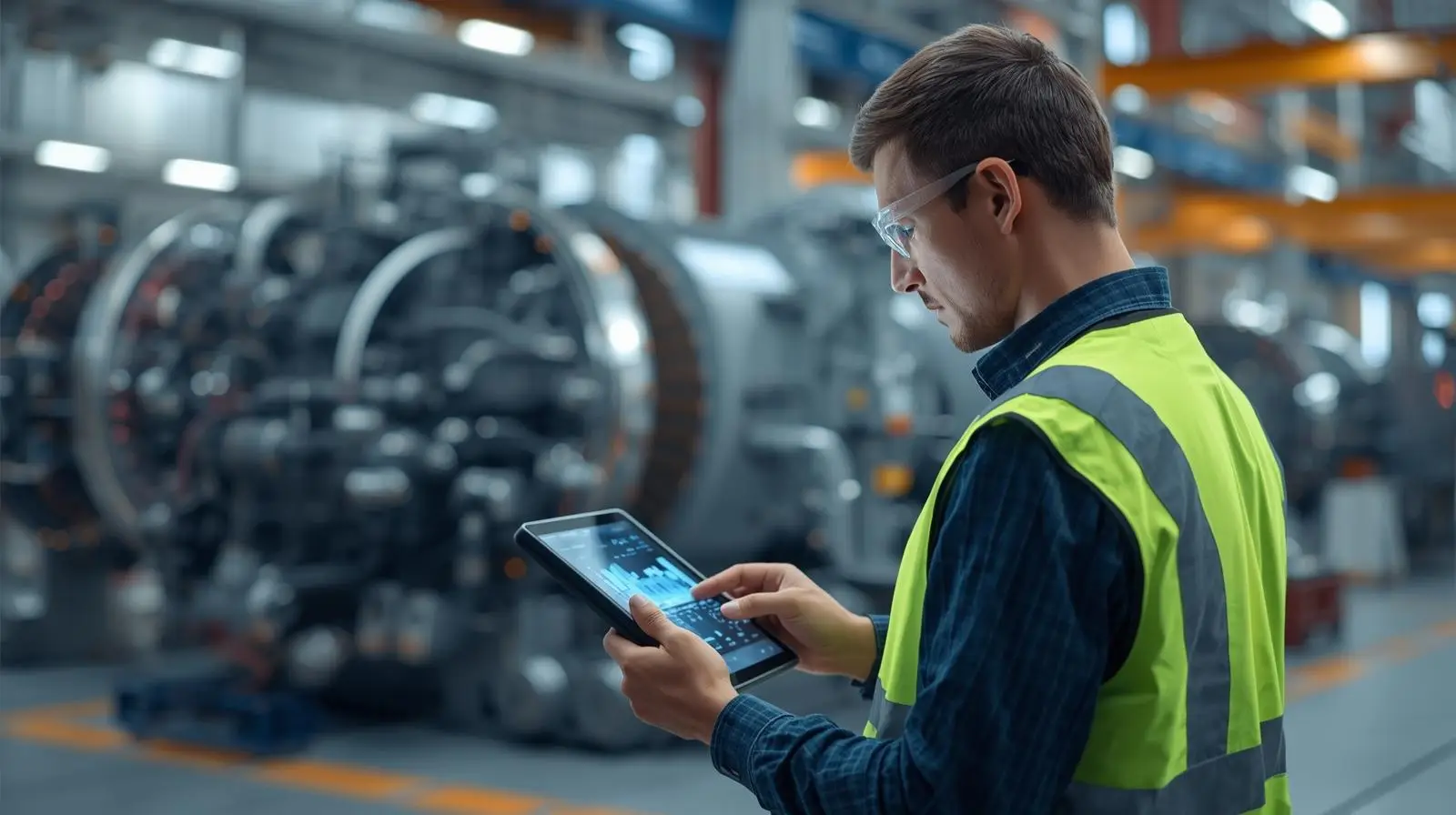
Artificial intelligence has moved beyond the experimental phase and is increasingly becoming part of everyday industrial operations. AI-based solutions not only collect data but also recognize patterns, generate predictions, and support operational decision-making.
In the coming years, the following areas will become particularly important:
real-time process optimization,
machine vision-based quality control,
optimization of energy and resource consumption,
early detection of production deviations.
However, data-driven manufacturing is not just a software issue. It only works effectively when there is a unified architecture and consistent system approach—from sensors to actuators, from field level through control systems to IT infrastructure.
Without reliable data, there is no intelligence—industrial sensing and accurate feedback are therefore becoming the foundation of automation.
Industrial IoT is no longer a standalone technology but an integral part of automated systems. The focus is increasingly shifting toward predictive maintenance, replacing traditional reactive or time-based maintenance models.
The predictive approach enables:
reduction of unplanned downtime,
more efficient use of component lifecycles,
optimization of maintenance costs,
increased reliability of critical systems.
An important shift in perspective is that predictive maintenance is no longer limited to complex electrical or drive systems. Modern pneumatic solutions, when properly equipped with sensors and data collection, can also be integrated into IIoT-based maintenance strategies. This turns previously passive subsystems into active data sources.
The role of digital twins is rapidly growing in industrial design and operations. A virtual replica of a physical system allows engineers to simulate performance, analyze loads, and optimize processes before implementation.
Digital twins are particularly useful for:
designing complex motion systems,
lifecycle management of high-value equipment,
planning capacity expansions and system modifications.
Their real value emerges when not just a single component, but an entire motion, control, and energy system can be modeled. This approach helps avoid compromises that could later limit system performance or scalability.
This is closely aligned with the Industry 5.0 mindset, where collaboration between humans, machines, and intelligent systems takes center stage.
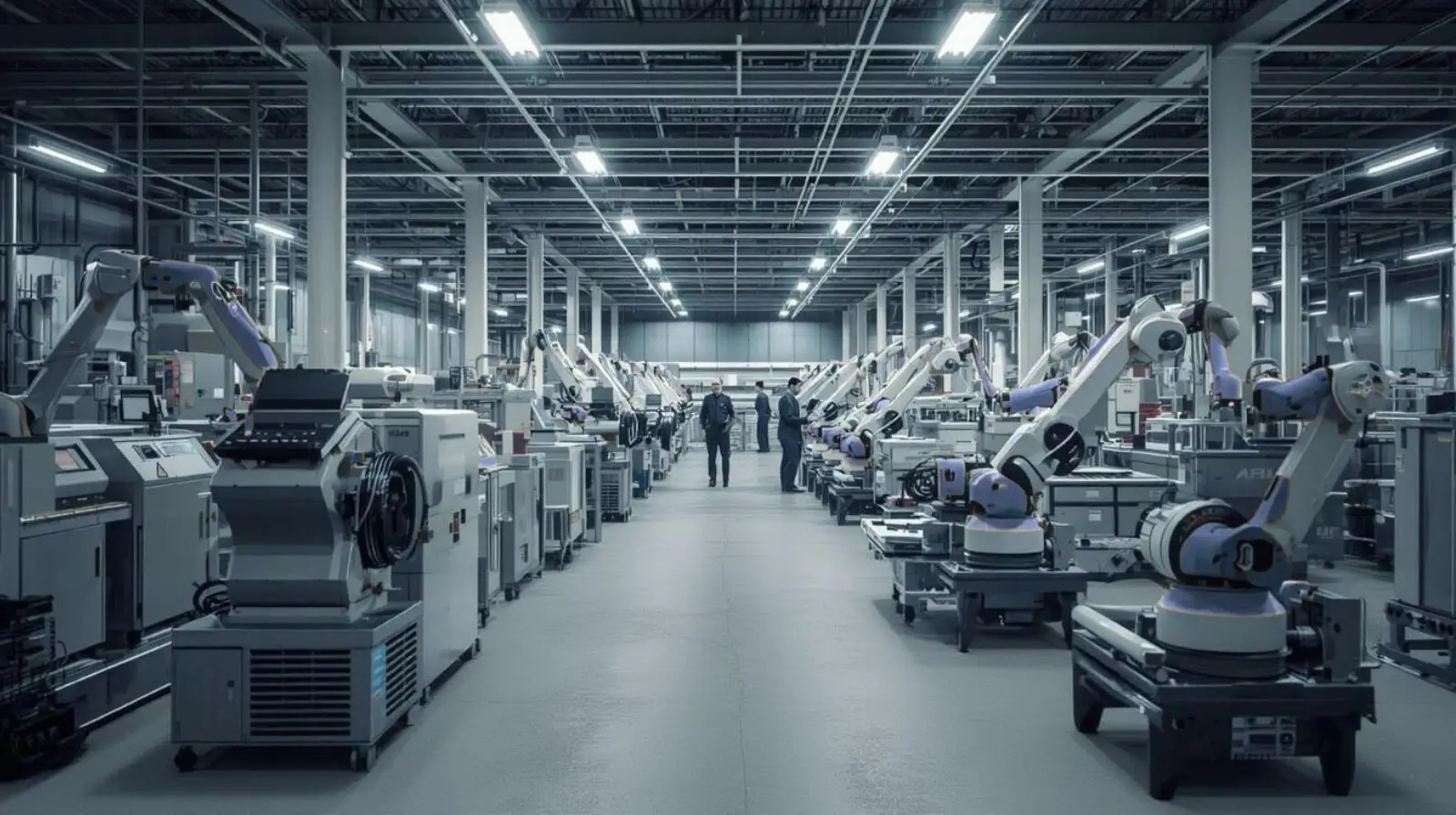
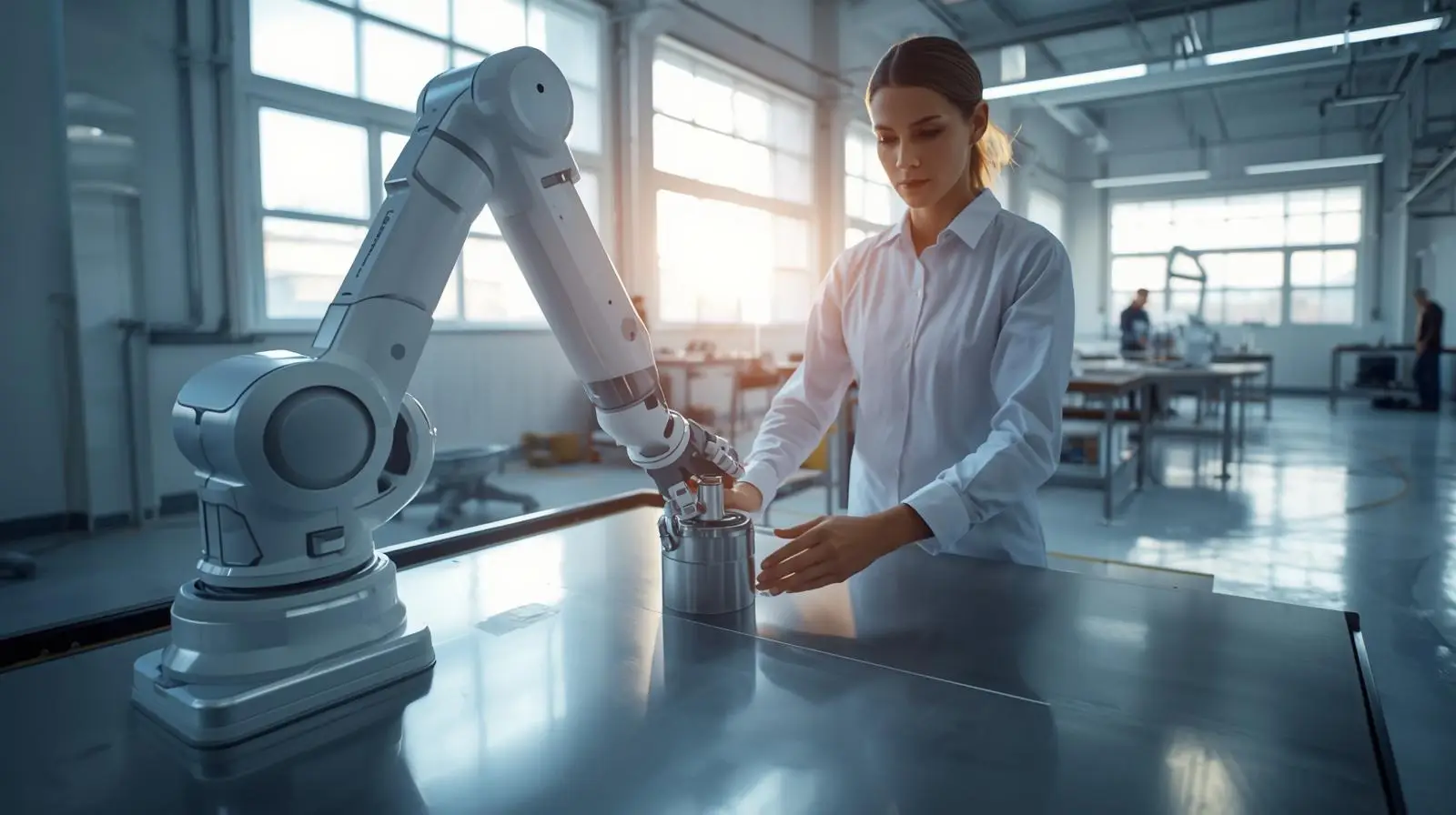
The development of robotics is no longer solely about speed and precision. Increasing emphasis is placed on flexibility, collaboration, and rapid reconfigurability, especially in collaborative applications.
Today, the efficiency of robotic systems is less determined by the robot arm itself and more by the motion and gripping environment built around it. Extending reach, serving multiple workstations, or covering an entire production line often becomes economically viable through external axes and integrated motion systems.
This approach enables:
better utilization of robotic cells,
rapid adaptation to changing production demands,
gradual expansion of existing systems.
The true value of robotics emerges when it operates not as a standalone unit, but as part of a complex automation system.